

Israel's Recognition of Somaliland: Legal Reality Meets Political Hesitation
 0
0
- Visits: 4423
-

- Share

Somaliland, which declared independence from Somalia in 1991 following the collapse of the Somali state, has for decades maintained effective governance, held democratic elections, and preserved relative peace. Despite these achievements, it had not received formal recognition by any UN member state—until now.
Critics argue that recognition undermines Somalia’s territorial integrity and violates African Union principles. Indeed, Somalia has requested an emergency meeting of the UN Security Council to address what it describes as a threat to regional stability. Yet international law is clear: recognition is a sovereign, discretionary act, not a legal obligation. Somaliland meets all objective criteria for statehood—permanent population, defined territory, effective government, and capacity for foreign relations. Israel’s decision is therefore lawful, grounded in both legal principle and pragmatic acknowledgement of political reality.
While the UN Security Council can reaffirm Somalia’s territorial integrity or encourage dialogue, it cannot compel states to reverse recognition. Israel’s recognition does not automatically confer UN membership on Somaliland, but it marks a breakthrough, opening the door for further diplomatic engagement.
Somaliland’s emergence underscores a broader lesson for Africa: legal legitimacy and effective governance often exist independently of political recognition. The challenge now is for African and international actors to reconcile territorial integrity with the realities on the ground—ensuring that law, stability, and self-determination can coexist.
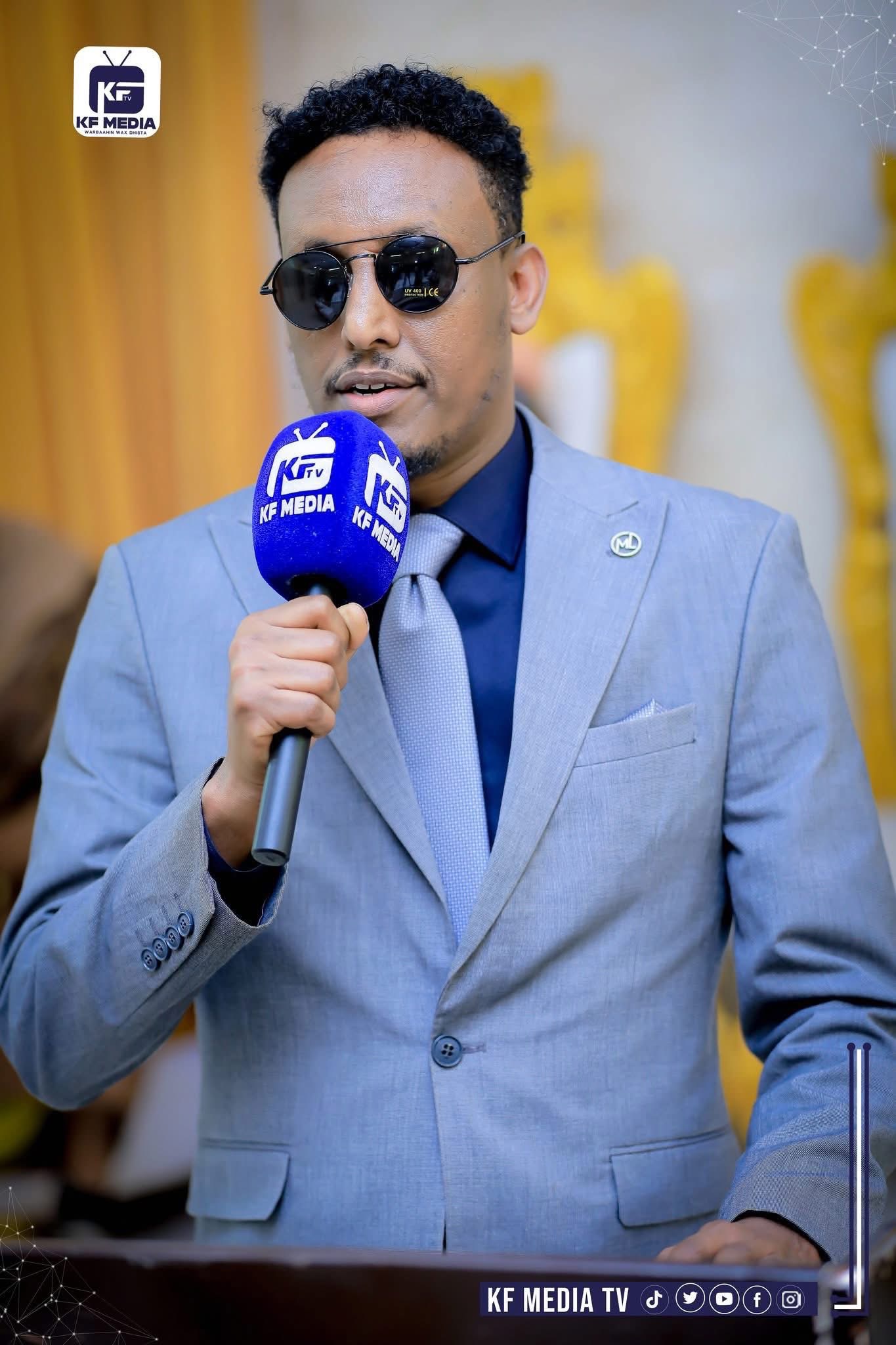
By: Jamaal Mohamed Mohamoud
Senior Legal Expert specialising in international law, self-determination

Israel's Recognition of Somaliland: Legal Reality Meets Political Hesitation
Hargeisa- On 26 December 2025, Israel became the first country in the world to officially recognise Somaliland as an independent sovereign state. This historic move has reignited debates on self-determination, statehood, and territorial integrity in